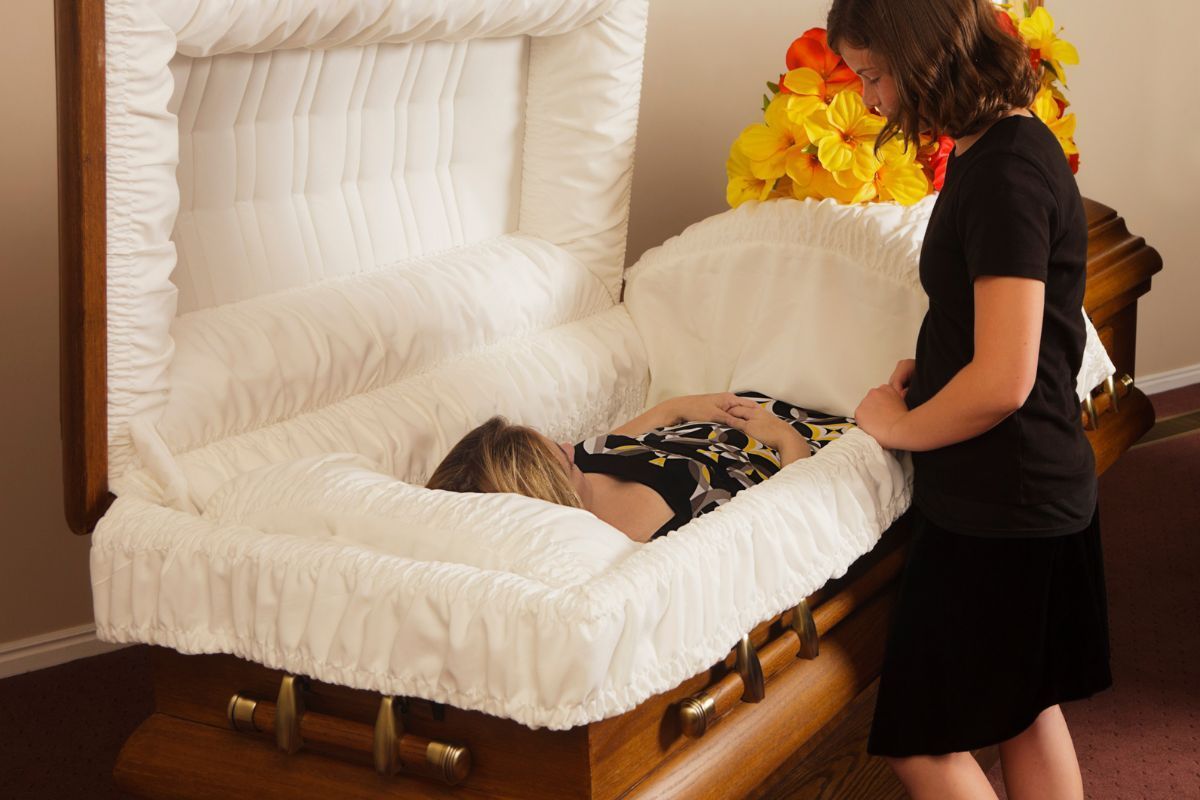
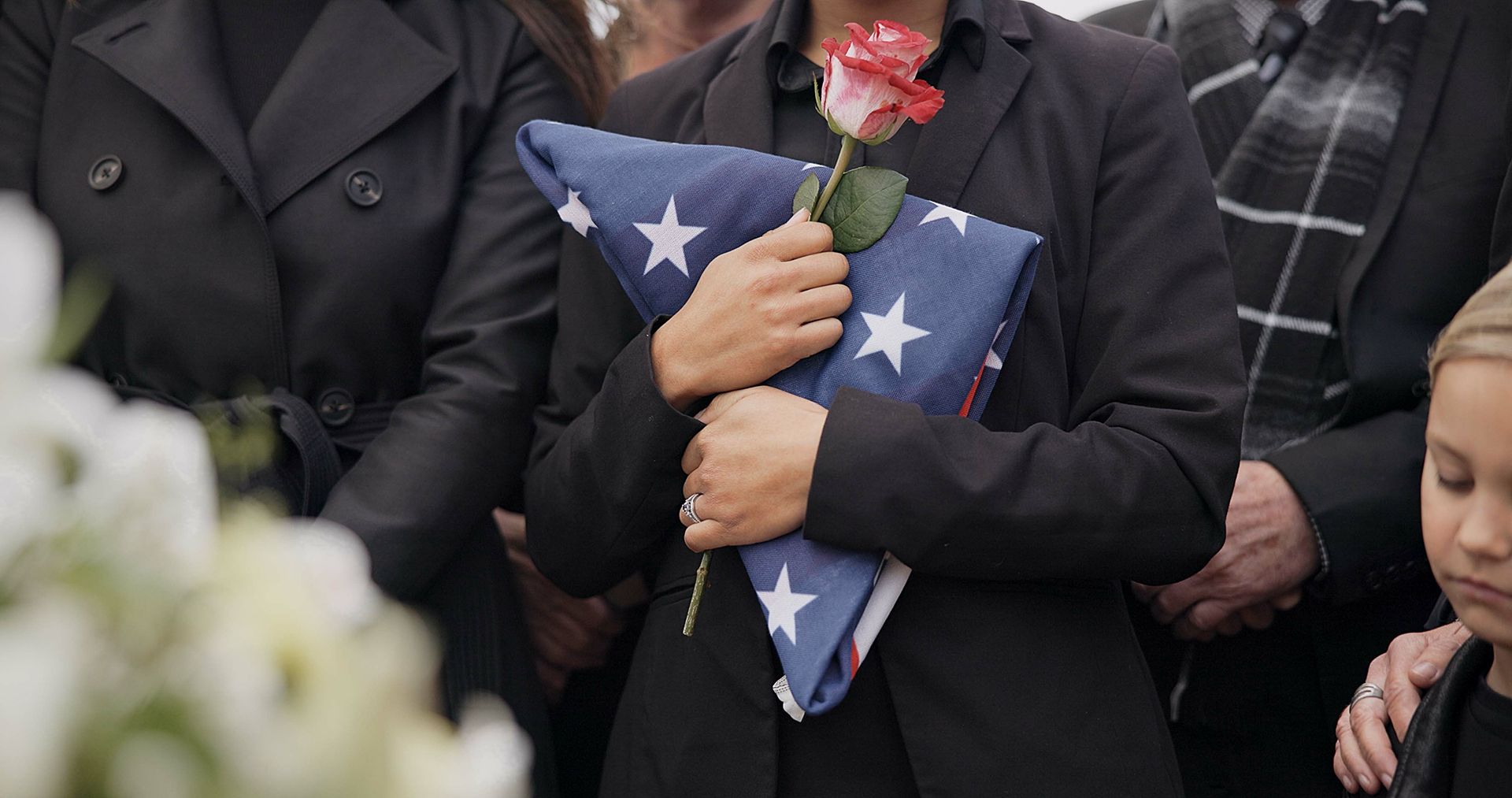
Knowing how to dress, what to say, and what to bring can help you offer comfort and show respect during a meaningful moment. Funeral etiquette is not about perfection. It is about thoughtfulness, presence, and honoring the family in their time of grief.
At South Chicago Chapel, we often hear from friends and extended family members who want to support a grieving loved one but feel unsure about the proper way to participate. This guide is here to ease that uncertainty and help you approach the day with confidence and care.
What to Wear to a Funeral
While dress codes have softened in recent years, funerals still call for modest, respectful attire. The goal is to blend in quietly so that attention remains on the family and the life being honored.
For Men
A dark suit in black, navy, or charcoal is always appropriate. A collared shirt, conservative tie, and polished dress shoes complete the look. If a full suit is not available, dress pants with a button-down shirt and tie will do.
For Women
A simple dark dress, blouse with dress pants, or a knee-length skirt with a modest top are all suitable choices. Avoid bright colors, flashy jewelry, or anything too revealing. Closed-toe shoes are typically preferred.
For Children
Children should be dressed neatly in subdued colors. A button-down shirt with dress pants or a simple dress works well. Comfort matters too, especially for longer services.
If the family has requested a specific dress code, such as wearing the favorite color of their loved one as part of a personalized tribute, follow their guidance. Many families today choose to incorporate unique touches into their services through thoughtful personalization that reflects the personality of the person being honored.
What to Say to the Grieving Family
Words can feel inadequate in the face of loss, but a simple, heartfelt expression of sympathy means more than you might realize. You do not need to have the perfect thing to say.
Helpful Things to Say
Phrases like "I am so sorry for your loss," "He or she will be deeply missed," or "I am thinking of you and your family" are always appropriate. Sharing a brief, kind memory of the deceased can also bring comfort, such as "I will always remember how she made everyone laugh" or "He was such a generous man."
What to Avoid
Try not to say things like "I know how you feel" or "They are in a better place," even if well-intended. Grief is personal, and statements like these can sometimes feel dismissive. Avoid asking detailed questions about the cause of death or making the conversation about your own experiences with loss.
When in doubt, a quiet hug, a gentle hand on the shoulder, or simply your presence speaks volumes.
What to Bring
There is no obligation to bring a gift, but small gestures can offer meaningful support.
A Sympathy Card
A handwritten card with a sincere message is always appreciated. It does not need to be long. Even a few honest sentences will be cherished.
Flowers or a Charitable Donation
Flowers are a traditional offering and can be sent to the funeral home or the family's home. If the family has requested donations in place of flowers, honor that wish by giving to the cause they have chosen.
A Dish or Meal
For close family friends, bringing a meal or dessert to the family's home in the days following the service is a practical and loving gesture. Grief often leaves little energy for cooking.
Funeral Service Etiquette
The service itself is a sacred time. A few simple habits help ensure that everyone can focus on honoring the deceased.
Arrive on Time
Arriving 10 to 15 minutes early gives you time to sign the guest book, find a seat, and settle in before the service begins.
Silence Your Phone
Turn off or silence your phone before entering. Avoid taking photos or videos unless the family has explicitly invited you to do so.
Follow the Family's Lead
Whether the service follows traditional services with religious customs or takes a more contemporary form, follow the cues of the family and clergy. Stand when others stand, sit when others sit, and participate in readings or prayers as you feel comfortable.
After the Service
Grief does not end when the funeral concludes. In the weeks and months that follow, continued support means the world to those mourning. A simple phone call, a thoughtful note, or an invitation to share a meal can remind grieving loved ones that they are not alone.
If you find yourself struggling with your own grief after attending a service, know that resources are available. Our collection of grief resources is here to support anyone walking through the difficult journey of loss.
We Are Here to Support You
Funeral etiquette is ultimately about love, respect, and showing up for the people who matter. Whether you are attending a service, planning one, or supporting a friend through their grief, small acts of kindness leave a lasting impact.
If you have questions about an upcoming service or would like to learn more about how we support families in Chicago, we invite you to get in touch with our compassionate team anytime. We are honored to walk alongside you with care and understanding.